







Search Results for: Berbera Port
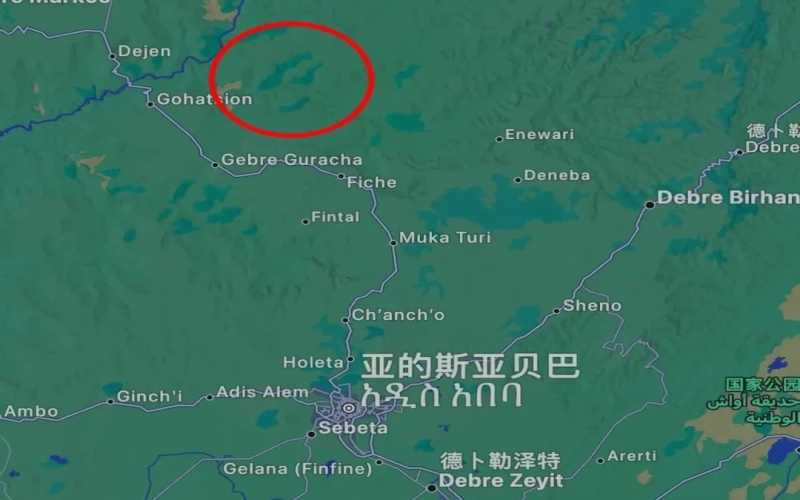
Ethiopian weapons smuggling scandal escalates, casting a shadow over the prospects of Somali port corridors
Armed conflict within Ethiopia continues to spread. Clashes recently erupted in the Dara area of North Shewa Zone, causing civilian casualties and large-scale displacement. Meanwhile, two trucks carrying Ethiopian weapons were intercepted and seized in central Somalia, triggering diplomatic tensions. This series of events could reduce Ethiopia's previously signed agreement with Somaliland on the use of Berbera Port to nothing, while Djibouti Port faces suspension of operations due to the Red Sea crisis. Coffee exports, the backbone of the country's economy, are facing an unprecedented logistics predicament. [more…]
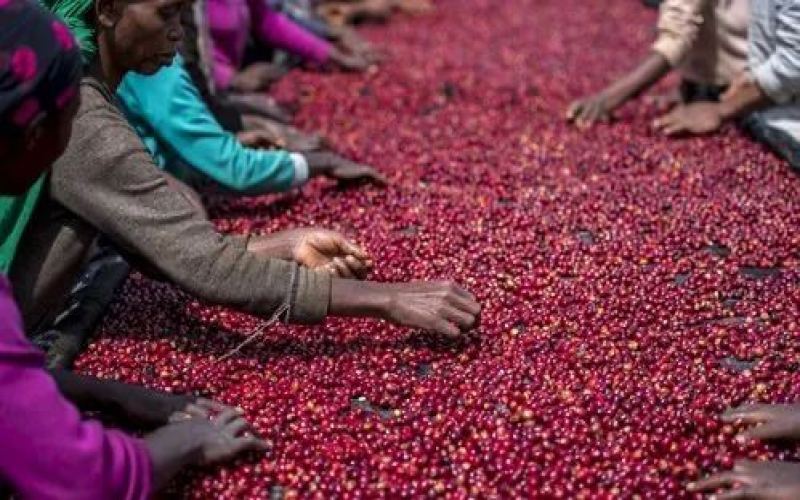
Ethiopian coffee exports earn $570 million in half a year, seeking a way out through the Somaliland port agreement
The latest data from the Ethiopian Coffee and Tea Authority shows that in the first half of the 2023/24 fiscal year, the country's coffee exports reached 117,900 tons, with export revenue exceeding US$570 million. As one of Africa's most important coffee-producing countries, Ethiopia's coffee industry is facing the dual test of global market volatility and regional conflict. At the same time, in order to escape the predicament of being a landlocked country and broaden its export channels, Ethiopia signed a port lease memorandum of understanding with Somaliland, obtaining a 50-year right to use the Port of Berbera in exchange for recognizing Somaliland's independence. This article will review the latest developments in Ethiopia's coffee exports, the challenges it faces, and the far-reaching impact of this port agreement on the country's coffee trade. [more…]
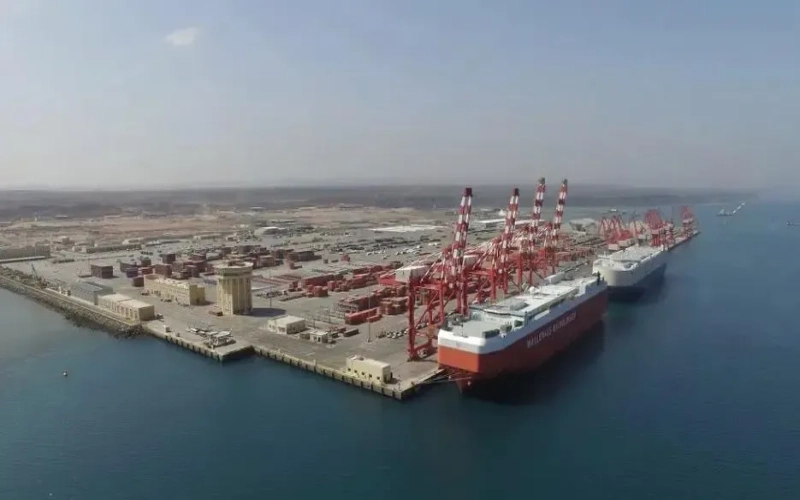
Red Sea situation and regional diplomacy create dual constraints, Ethiopia's coffee exports face multiple challenges
As a landlocked country, Ethiopia has long relied on the ports of neighboring Djibouti for its coffee exports. However, the ongoing Red Sea crisis has made this lifeline increasingly precarious. Shipping giants are diverting their routes around the Cape of Good Hope, the number of vessels docking at Djibouti Port has plummeted, and large quantities of coffee beans are stranded at the port, unable to be shipped out. Ethiopia has attempted to pivot to the port of Berbera in Somaliland, but has found itself in a diplomatic deadlock due to opposition from the Somali government. Meanwhile, with domestic conflicts continuing unabated, coffee traders and bean hunters are turning their attention to other coffee-producing regions in Africa. Data shows that both coffee export volumes and revenues declined in the first 10 months of the current fiscal year. Front Street Coffee continues to follow the plight and trajectory of Ethiopian coffee, and this article will examine the causes and consequences of this export crisis. [more…]

Somalia Once Again Expels Ethiopian Diplomats, Red Sea Crisis and Port Deadlock Deal Heavy Blow to Coffee Exports
Diplomatic friction between Ethiopia and Somalia continues to escalate. Somalia recently expelled Ethiopia's second-ranking diplomat in Somalia, and relations between the two countries are becoming increasingly tense over the Somaliland port agreement. Meanwhile, the Red Sea crisis has caused throughput at the Port of Djibouti to decline, severely disrupting the import and export of major commodities such as Ethiopian coffee. Combined with peak-season shipping price increases, the depreciation of the birr, and the delay of the EU's EUDR, Ethiopian coffee bean prices have risen across the board, and the local coffee industry is facing dual pressure from exports and costs. [more…]

Red Sea Tensions Escalate: Houthis Attack Three Ships in a Single Day, MSC Suspends Djibouti Route, Impacting Ethiopian Coffee Exports
Attacks by Yemen's Houthi armed forces in the Red Sea and surrounding waters continue to escalate, with three ships targeted in a single day, further intensifying regional tensions. Vessels operated by Maersk and MSC were successively targeted, and MSC, citing persistent threats, announced a full suspension of services at the Port of Djibouti. The Port of Djibouti is the sole outlet for Ethiopian cargo exports, and with MSC accounting for 80% of the port's shipping capacity, this move has dealt a severe blow to Ethiopia's coffee exports. Coffee traders now face the dilemma of having booked space but no shipping date, with freight rates soaring and arrival times impossible to guarantee, while the Houthis' expansion of their strikes beyond their traditional threat zone is likely to further drive up shipping costs and coffee trading prices. [more…]
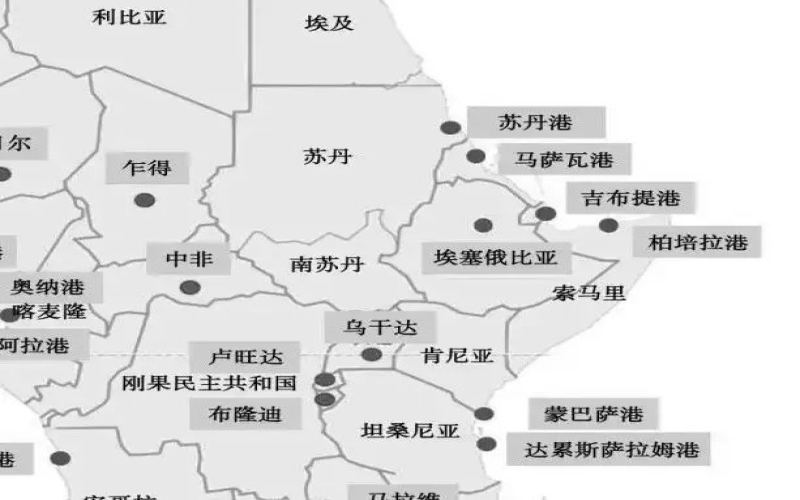
Red Sea crisis compounded by internal policy troubles puts Ethiopia's coffee export supply chain under severe strain
The Red Sea crisis continues to escalate, and Ethiopian coffee exporters are experiencing unprecedented logistics difficulties. Only one ship docks at the Port of Djibouti each month, leaving large quantities of coffee beans stranded at the port, while turning to Kenya's Port of Mombasa means facing a long overland transport route. At the same time, domestic policy factors such as the "vertical integration" plan and caps on bank loan growth are further disrupting the supply chain. Growers and suppliers are owed billions of birr in receivables, which has even triggered violent clashes and suicides. Coffee exporters are calling on the government to come up with a long-term solution rather than temporary fixes. This article will provide an in-depth analysis of how this multifaceted crisis is striking at the export lifeline of a globally important coffee-producing region. [more…]
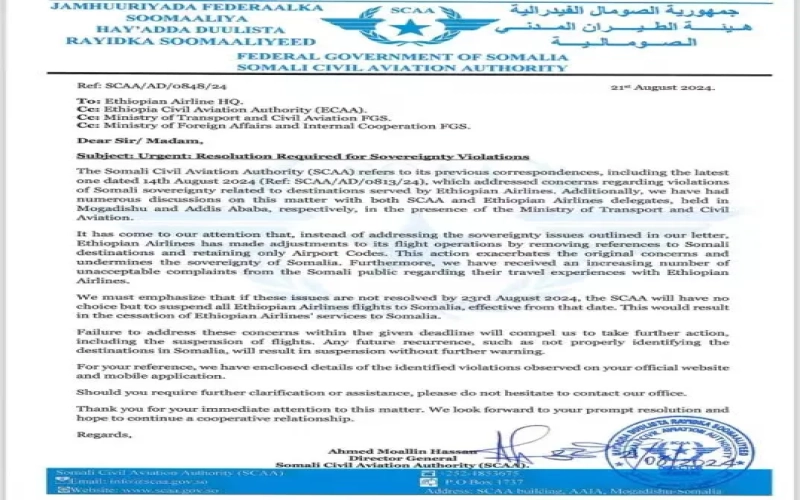
Somalia Halts Ethiopian Airlines Flights Over Sovereignty Dispute, East African Tensions Affect Coffee Exports
Somalia's civil aviation authority demanded that Ethiopian Airlines make corrections within a deadline on the grounds that the words "Somaliland" appeared on the airline's official website. After being refused, it suspended all Ethiopian flights on August 23. The root of this matter lies in the memorandum of understanding signed between Ethiopia and Somaliland on the use of a port, which has led to continued tension between Somalia and Ethiopia. At the same time, Eritrea also suspended Ethiopian flights, and the peace talks mediated by Turkey have been hindered. Ethiopia's exports of agricultural products such as coffee are highly dependent on neighboring countries' ports. Now that the Port of Djibouti is affected by the Red Sea crisis, and Ethiopia cannot use routes through Somalia and Eritrea, the outlook is worrying. [more…]
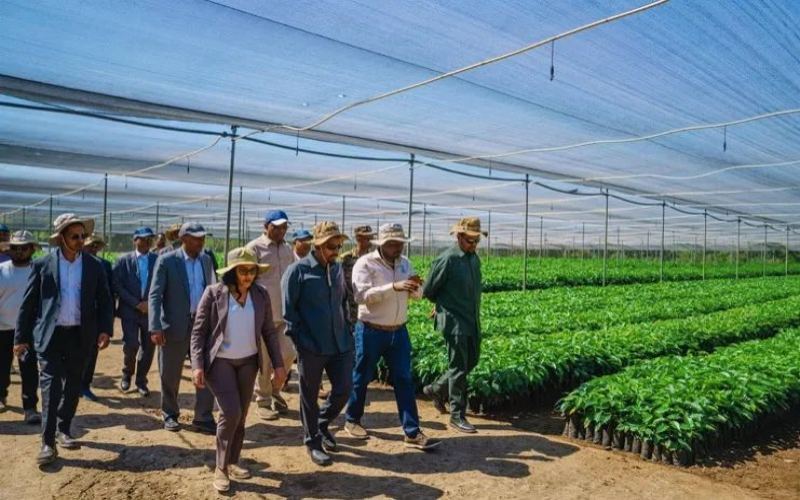
Ethiopia Aims for $2 Billion Coffee Exports in New Fiscal Year, Opportunities and Challenges Coexist
Ethiopia is striving to expand its coffee cultivation area and trade scale, aiming to achieve coffee export revenue exceeding 2 billion USD in the 2024/25 fiscal year. Over the past five years, the country has planted billions of coffee trees and introduced mechanized assistance, with export volumes in October of this fiscal year showing a significant year-on-year increase. However, the industry still faces price volatility, exchange rate risks, and uncertainties brought about by the new pricing mechanism. Meanwhile, Ethiopia and Somalia have signed the Ankara Declaration, which is expected to open up new maritime routes and alleviate logistical bottlenecks in coffee exports. This article will review the latest developments and prospects of Ethiopia's coffee industry. [more…]

Egypt Again Sends Military Aid to Somalia, Tensions in the Horn of Africa Spill Over into Ethiopia's Coffee Industry
Geopolitical tensions in the Horn of Africa are once again heating up. Egypt recently delivered a second batch of military aid to Somalia, including heavy artillery, anti-tank weapons, and armored vehicles, a move that has sparked strong concern from Ethiopia and Somaliland. Behind this series of upheavals lies a multi-layered contest involving Egypt, Somalia, and Ethiopia over the Somaliland port agreement and the Grand Renaissance Dam. As the situation continues to deteriorate, the risk of war is closing in on Ethiopia's eastern coffee-growing region of Harar, while factors such as the imminent EUDR policy and currency depreciation are also profoundly shaping the country's coffee export landscape. [more…]
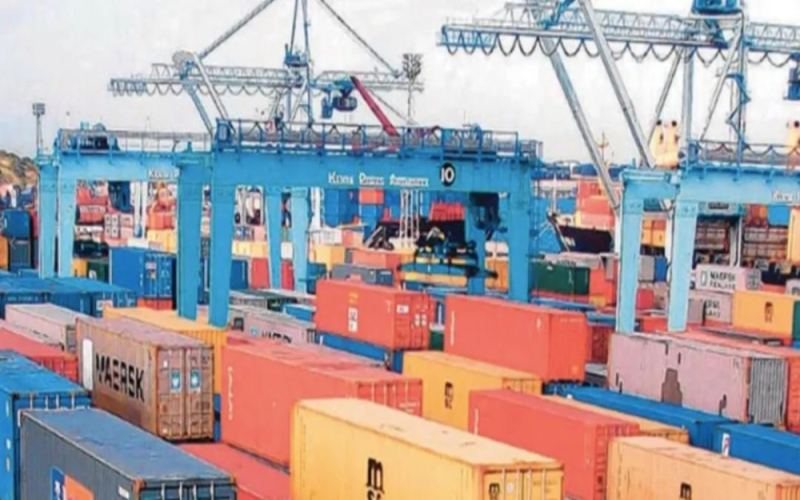
Kenya's customs system was down for five consecutive days, severely disrupting coffee exports through the Port of Mombasa and causing heavy losses.
The Kenya Revenue Authority's Integrated Customs Management System (iCMS) suffered a sudden technical failure that went unrepaired for five consecutive days, severely disrupting operations at the Port of Mombasa and leaving coffee and tea worth billions of Kenyan shillings stranded at the port, unable to be exported. This is not the first time the system has encountered problems; a similar incident occurred in April 2023. As the largest port in East Africa, the Port of Mombasa serves several landlocked countries, and this failure has not only hit Kenya's own trade but also affected the export of coffee and other agricultural products from surrounding areas such as Tanzania, Uganda, and Rwanda. At the same time, Kenyan coffee auction prices have hit a new high for the year, demonstrating strong international demand for its high-quality coffee. [more…]
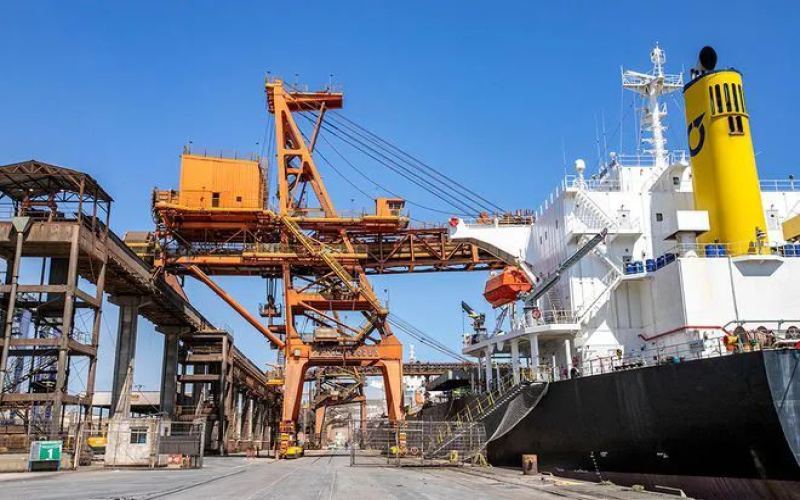
A major strike at Brazilian ports leaves 2.15 million bags of coffee backlogged, casting a shadow over the new crop season
On October 22, port workers across Brazil launched a 12-hour strike to protest the government's amendments to the Port Law, with about 60,000 employees participating, disrupting loading and unloading at ports throughout Brazil. The strike comes at a critical time for coffee exports; earlier, about 2.15 million bags of coffee had already been stranded at the docks due to port delays, and the strike could make matters worse. Meanwhile, Brazil's coffee-growing regions have entered the rainy season after experiencing severe drought, but the coffee trees have been severely damaged, and production expectations for the next crop season are not optimistic. Caught between port transport and climate problems, the global coffee supply chain faces challenges. [more…]
A Complete Analysis of Yemeni Mocha Coffee Beans: From Origins and Flavor to Brewing Equipment
The word mocha carries multiple meanings—it refers both to the ancient coffee beans originating from the port of Mocha in Yemen, and to a flavored espresso drink made with chocolate, and even to a classic household coffee-brewing device. This article will take you through the historical origins of mocha coffee, clarify the dispute over its place of origin, explain in detail the flavor characteristics of Yemeni mocha beans and the source of their chocolate notes, and also introduce variations such as flavored mocha and white mocha, as well as the enduringly popular extraction tool, the moka pot. Whether you are fond of pure single-origin beans or prefer sweet chocolate coffee drinks, you can find the information you need in this detailed overview. [more…]
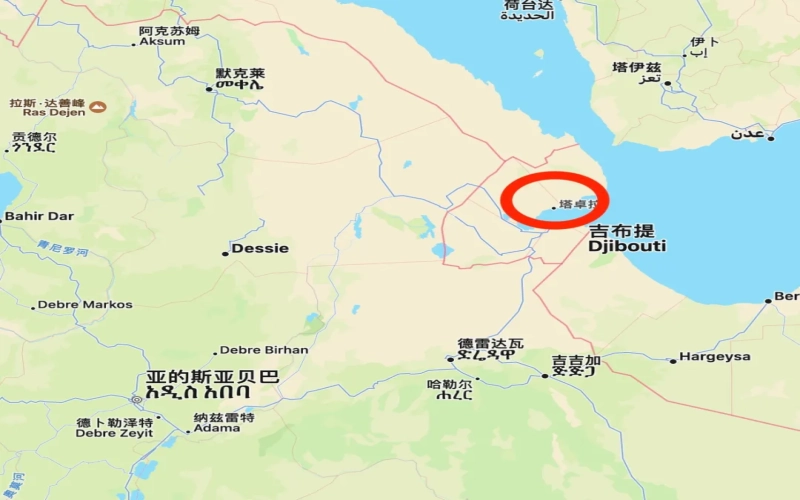
Djibouti Opens Tadjoura Port to Ethiopia—Can Coffee Exports Break Through?
As a landlocked country, Ethiopia has long depended on the Port of Djibouti for its imports and exports. Recently, Djibouti announced that it would grant Ethiopia full management rights over the Port of Tadjoura, a move seen as an opportunity that could ease the difficulties Ethiopia faces in exporting coffee and other agricultural products. However, Ethiopia's relations with Somalia have continued to deteriorate over the Somaliland memorandum of understanding, and the involvement of Egypt and Eritrea has made the situation in the Horn of Africa even more tense. At the same time, armed conflict is spreading within Ethiopia, the currency is depreciating, and coffee export volumes have fallen by 27%, leaving the industry's prospects full of uncertainty. Although the Port of Tadjoura offers a glimmer of hope, the port is still located in the Gulf of Aden, within the range of Houthi attacks, and whether it can truly be effective remains to be seen. [more…]

Tracing the Origins of the Names Mocha Coffee Beans, Moka Pot, and Caffè Mocha: The Evolution from a Yemeni Port to an Italian Drink
In the coffee world, the name "Mocha" appears frequently in coffee beans, coffee equipment, and coffee drinks. What exactly is the connection between them? This article starts with the history of the port of Mocha in Yemen, tracing how Mocha coffee beans got their name from the port and became popular in Europe, then analyzes how modern Mocha coffee evolved into an Italian-style milk coffee with chocolate added, and finally explains the naming logic of the Moka pot. The article also combines Front Street Coffee's products to offer pairing suggestions for Mocha coffee and Moka pots, helping readers fully understand the story behind the three "Mochas." [more…]
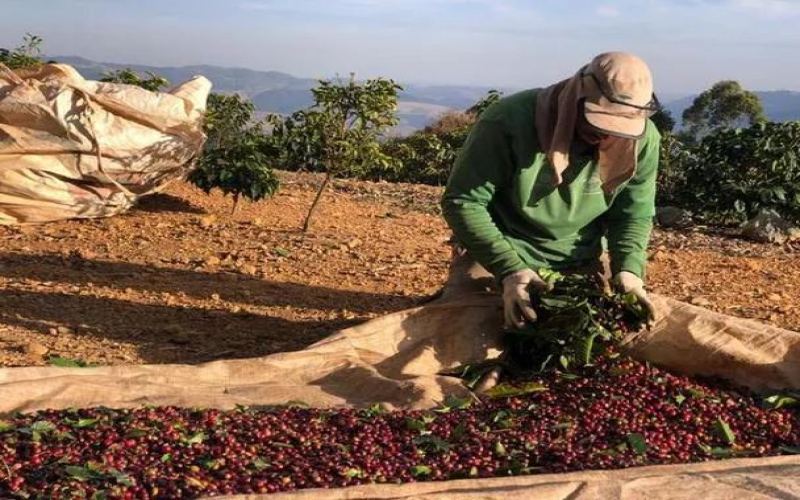
Brazilian Coffee Spot Prices Hit 26-Year High, Port Delays Cause Nearly $490 Million in Losses
Recently, spot prices for Brazilian Arabica coffee soared to a 26-year high, reaching 1,805.68 reais per 60-kg bag, a monthly increase of 18.3%. Declining inventories, downward revisions to production forecasts, unstable weather, and exchange rate fluctuations jointly pushed prices higher. At the same time, severe delays at the Port of Santos and the Port of Rio de Janeiro left 1.717 million bags of coffee stranded, causing foreign exchange losses of approximately US$489.72 million, while exporters also bore high demurrage costs. Robusta coffee prices also rose slightly. This article provides a detailed analysis of the current price trends, weather impacts, port difficulties, and exchange rate pressures in the Brazilian coffee market. [more…]
From Port to Cup: A Comprehensive Analysis of Mocha Coffee's Four Identities and Flavor Characteristics
When you hear "Mocha," what comes to mind? Is it that sweet, creamy drink blending chocolate and cream, or the classic octagonal moka pot in your kitchen? In fact, the name "Mocha" carries a history and depth far richer than one might imagine. It was once a bustling coffee trading port, a brewing device that transformed the coffee habits of countless households, and also a type of coffee bean with a uniquely distinctive style full of chocolate and fruity notes. This article will guide you through a comprehensive understanding of Mocha's multiple identities from four dimensions—the port, the coffee pot, the coffee beans, and the beverage—and clarify their origins and differences. Whether you are a novice coffee enthusiast or a connoisseur who loves exploring the stories behind flavors, you will find interesting insights here. Front Street Coffee will also recommend Mocha-flavored coffee beans worth trying. [more…]

Why Can't Coffee Brewed in a Moka Pot Be Called Mocha Coffee? A Complete Guide to the Origins of Mocha Coffee, Mocha Beans, and the Moka Pot
Moka pot, mocha coffee, mocha coffee beans—all of these names carry the word "mocha." What exactly is the connection between them? Can the coffee brewed in a moka pot be called mocha coffee? These questions often confuse coffee lovers. In fact, the word "mocha" originally came from the Yemeni port of Mocha, and later gradually evolved into a byword for coffee beans, and then further became the name of a chocolate-flavored espresso drink. Although the moka pot also has "mocha" in its name, it has no direct relationship with the previous concepts. Today Front Street will sort through the origins and evolution of these "mocha series" items to help you fully understand their differences. [more…]

Dengue Fever Outbreak Hits Brazil's Coffee Industry: Harvest Slows, Port Congestion Worsens, Indonesia Cases Surge
The hot and humid climate brought by El Niño created conditions for mosquito breeding, leading to severe dengue fever outbreaks in multiple countries across the Americas. Among them, Brazil's confirmed cases exceeded 3.5 million, with 1,544 deaths, both hitting the highest records since 2000. Hospital admissions surged, with the average dengue fever admission rate at São Paulo's municipal hospitals reaching 90%. At the same time, Brazil entered the early stage of harvesting the new Robusta coffee season, and a large number of workers were absent due to illness, significantly slowing down the harvest progress. The Port of Santos had long been plagued by ship delays due to aging facilities, outdated management, and insufficient manpower, and the epidemic further worsened congestion. In March, the coffee ship delay rate rose to 80%, reaching 81% at the Port of Rio de Janeiro and 59% at the Port of Vitória. In Asia, Indonesia also experienced a dengue fever outbreak, with over 60,000 confirmed cases and 475 deaths, about three times that of the same period last year. Front Street Coffee reminds you to pay attention to origin updates and travel safety. [more…]
Tracing the Naming Origins of Yemeni Mocha Coffee: A Legendary Journey from Port Mocha to Traditional Sun-Drying
Yemen, a country renowned for its frankincense and spice trade, is also one of the earliest places in the world where coffee was cultivated. From the biblical legend of Noah's Ark to the realm of the Queen of Sheba, this land carries thousands of years of civilizational memory. In the early 17th century, Yemeni coffee was exported to Europe through the ancient port of Mocha, and the MOCHA mark printed on the sacks led Europeans to call this delicious beverage "Mocha coffee," making the port of Mocha the originator of the world coffee trade. Its unique steep terrain and arid climate have created a wildness and complexity of flavor in Yemeni coffee that cannot be replicated. This article will trace the origin of the name Mocha coffee, explain in detail the ancient wisdom of Yemen's full natural sun-drying method, and provide an in-depth look at the unique charm of the three major producing regions: Sanaani, Mattari, and Ismaili. [more…]
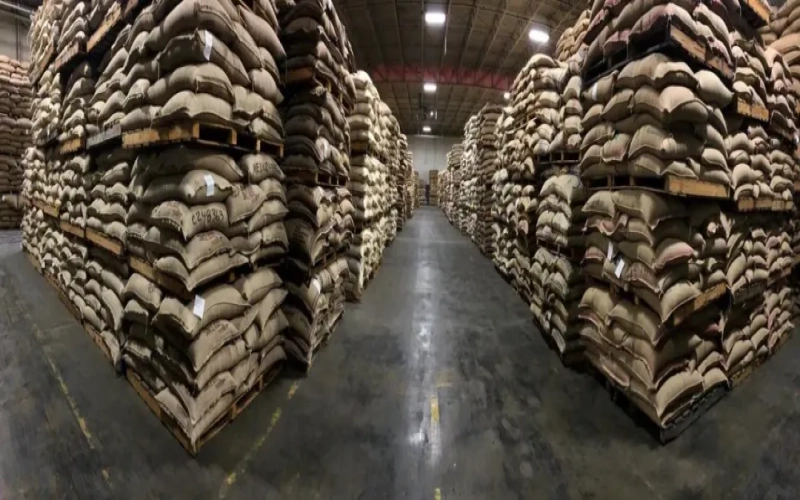
Brazil’s Coffee Exports Rose Nearly 50% in July, but Port Delays Caused $300 Million in Losses
The July report from the Brazilian Coffee Exporters Council (Cecafe) shows that coffee exports for the month reached 3.774 million bags, up 25.7% year-on-year, with foreign exchange revenue of US$932.5 million, an increase of 47.9%, with robusta performing especially strongly. In the first seven months of 2024, cumulative exports reached 2.8146 million bags, up 46.3% year-on-year. However, major ports such as Santos continued to face congestion, and 1.262 million bags of coffee were not shipped in July, causing losses of about US$313 million, while traders' additional costs totaled 7.456 million reais. Severe weather further exacerbated the delays, posing a threat to the international reputation and long-term development of Brazilian coffee. [more…]